Slow Travel Guide: Myths Debunked (& Is It For You?)
With PTO controlling how much (or little) people can travel over the last few decades, itineraries have, somewhere along the way, become packed. Cramming as much as possible into a trip has become the norm, leaving us with experiences that feel overwhelming and stressful. You’re tired when you take off toward your destination, and you’re exhausted by the time you get home. Sayings like “I need a vacation to recover from my vacation” became a light-hearted way to describe a trip that was probably - if we’re being honest - overplanned.
When the days available to us for travel are limited, it’s natural to want to make the most of them. But when did rushing through a packed schedule become the acceptable way to spend time off? Isn’t “being busy” in another destination no different from “being busy” at home? Where’s the time to absorb a culture, savor a meal, quietly sit with a sunrise? Since when has slow travel become the enemy? If anything, slow travel might just be the solution we all need.
There are many myths and misconceptions about slow travel out there. It’s often considered lazy or wasteful. It’s considered boring and not a good use of PTO. Well, I’m here to prove all of these misleading statements wrong. Now, if packing an itinerary is your preferred way to travel no matter the circumstances, that’s one thing. You do you, girl! But if you’re packing your trips simply because you feel like you have to fit as much in as logistically possible, I’m about to make a strong argument as to why that is not the case.
Let’s dive in, shall we??

What Is Slow Travel?
Before tackling the myths around this method of exploration, let’s establish a definition. According to The Good Trade, “traveling slowly means staying for longer in one place. If you have nine days to travel, instead of hopping to three different cities or countries, consider spending all nine at one destination. It might also look like choosing destinations off the beaten path, and taking time to note all the little details that make a place beautiful.” (source)
Travel blogger Christa Adams was quoted in a Forbes article saying, “slow travel isn’t just about taking your time in the places you visit, it’s also about immersing yourself in them with the intention of having more meaningful experiences off the main tourist paths.” (source) Meanwhile, a Conde Nast Traveler article defines slow travel as “tamping down our own built-in, conditioned obsessions with time and allowing the world to move just a little slower so that we can actually notice it.” They go on to explain how slow travel is a mindset more than anything. (source)
And they’re all correct. Slow travel is first and foremost a state of mind. You have to embrace the idea of it in order to put it into practice. If your mind is expecting to rush through each day and experience, it’s going to be a challenging trip. It’s also not about having more time, but being more intentional with the time you do have. If you have one week to travel and three of those days are spent traveling to the next destination, how much time do you realistically have to experience everything? So let’s dig a little deeper…

Myth #1: You Need A Lot of Time to Properly Slow Travel
Slow travel can fit any amount of time. It’s not about how many days you have; it’s about how you spend each of those days. Take the nine-day trip The Good Trade used as an example. Think about what an itinerary would look like for nine days covering three countries. Days one and nine are travel days by default. Factoring in an additional two travel days, you’re left with two full days at most per destination without worrying about getting anywhere. When you think about it, that’s such a limited way to experience any one place. This doesn’t disregard the fact that some destinations can be fully enjoyed in a weekend. It’s simply meant to paint a picture that time is wasted by trying to fit more in.
Slow travel is intentional. It’s thoughtful, and it’s measured. It’s an opportunity to slow down. It allows space for rest, for pleasure, for immersion, and exploration. Imagine enjoying a nine-day trip in one destination. The possibilities of what you can explore become innumerable, and you no longer have to sacrifice rest as a part of the trip. There’s time for a full day spent at the beach sipping fruity cocktails while reading and enjoying the occasional catnap. There’s time for a day trip to a nearby town to browse the outdoor market and local businesses. There’s no need for rushing through that museum you wanted to see or choosing between seeing a show or taking a tour. You can have a late night without worrying about an early morning, or a slow, early morning without worrying about not having enough energy by dinner. And yes, nine days is a lengthier trip for the average person, but it still applies if you only have three days to work with. It all comes down to the intention.

Myth #2: Traveling Slow Means You’re Wasting Time
Thought: Time is only wasted if you regret how it was spent. Or, as Marthe Troly-Curtin said, “time you enjoy wasting is not time wasted.”
Saying that slow travel wastes time is a blanket statement disregarding the essence of slow travel. The irony of this myth is that slow travel allows you to immerse yourself in the destination or experience. And how can you consider time to be wasted when you’re fully enjoying the moment? As I said earlier, it all comes down to the intention. What do you want this trip to feel like? What are the stories you want to go home with?
What is the purpose of the trip? Is it to visit a new place? To relax and recharge? Are you traveling for a specific culture? Maybe a cuisine? Is there an art scene you’ve always wanted to explore? Is it a trip centered around a specific niche or activity like wine tasting and vineyard tours, or historic architectural sites? Are you just hoping to spend quality time with your partner? Maybe catch up with a group of friends? The purpose of the trip should steer the direction, not the amount of time you have. As long as the days are spent by embracing that intention, it doesn’t matter if you spend all day lounging at the beach or hitting the pavement wandering city streets.
Myth #3: Slow Travel Means You’re Not Planning Properly
Not to sound like a broken record here, but slow travel is planned more intentionally - meaning that there is no wrong way to plan a trip. One of the arguments I’ve heard against slow travel is around a fear of missing out on specific attractions, time-dependent activities, and tourist spots. Slow travel doesn’t mean you can’t make reservations, book tickets in advance, or plan things with a specific time. In fact, having a dinner reservation or tickets to an attraction at a specific time in advance will help build flexibility into your schedule around them. This will help prevent feeling rushed and running late. Plus, you’ll have the opportunity to fully enjoy the experience for as long (or as little) as you’d like. With slow travel, you remove the need to rush. It doesn’t mean you need to spend hours on every single thing; it means you can spend whatever amount of time you’d like in order to feel that you did it justice.

Myth #4: Slow Travel Means Avoiding Tourist Spots
Traveling slowly doesn’t mean you’re avoiding crowds all the time. Building in popular attractions and landmarks is perfectly fine, and you might even enjoy them more. Tourist spots have peak hours, and when you have a tight itinerary, that often means you’re visiting them at the same time as everyone else. Raise your hand if you’ve had unfulfilled expectations because of big crowds🙋♀️. We’ve all been there. Or, how about wishing you had more time? Or maybe wishing you could have visited at a different time of day when the sun would have been in the perfect position for the ultimate photo?
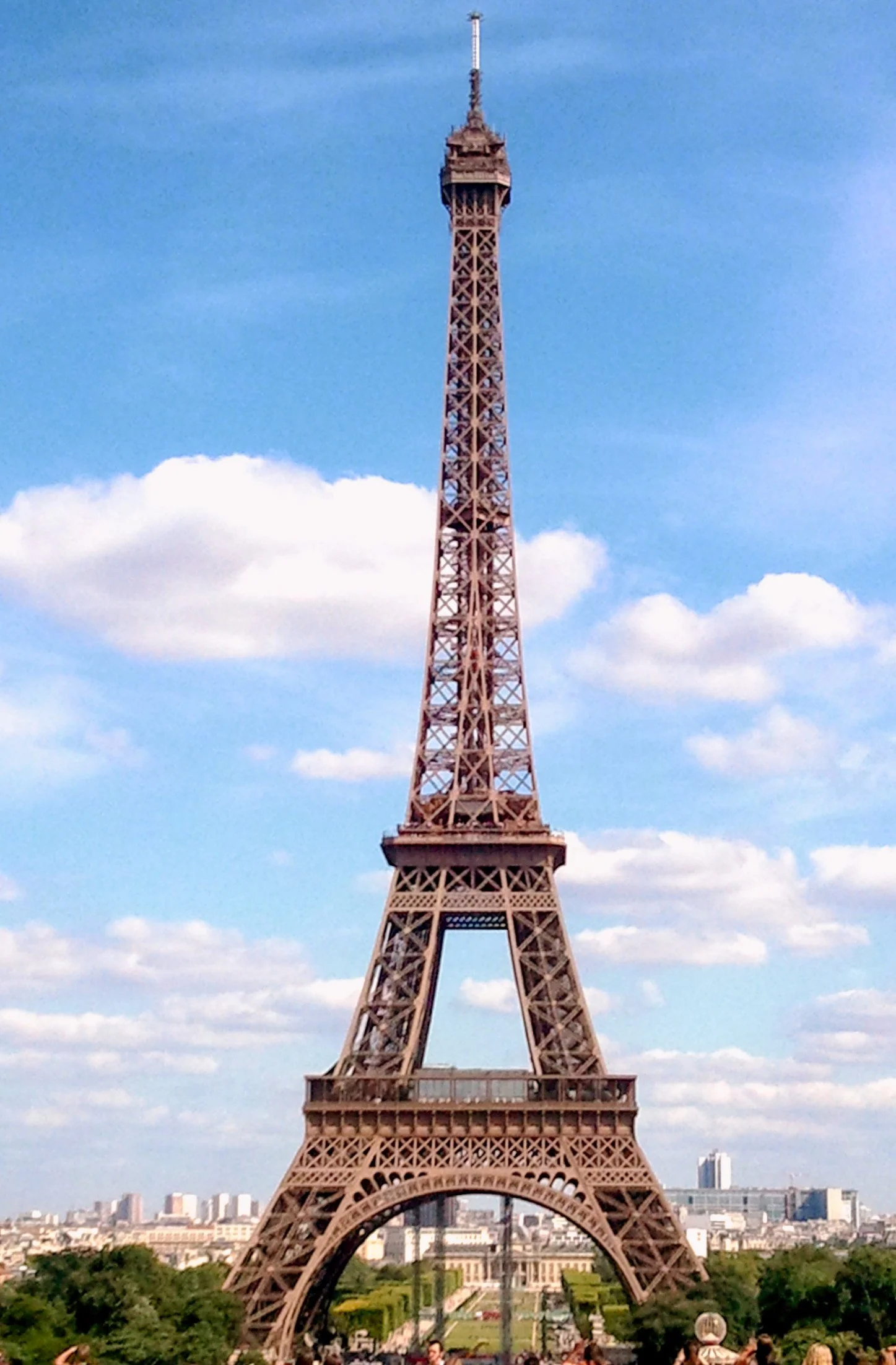
Slow travel means you can make time for tourist spots at a time that suits your best interests. Want to visit the Eiffel Tower at sunset? Done. Want to be the first in line at the Louvre to see the Mona Lisa before crowds descend? Done. Want to enjoy the entire afternoon browsing the Uffizi Gallery? Easy. Slow travel doesn’t discriminate or judge how you spend your time. It’s about prioritizing quality over quantity.
Myth #5: If You’re Not an Introvert, You Won’t Enjoy Yourself
How social you are has nothing to do with whether or not you’ll enjoy slow travel. In fact, slow travel gives more time to interact with people, so, if anything, it is a great opportunity for extroverts. There’s not much time to fit in conversations with the table next to you at the cafe on the Champs-Élysées when you have fifteen minutes to enjoy that croissant and espresso. What if you meet locals while browsing the market and decide you want to spend the day with them to see a hidden gem? There’s little opportunity to make new friends when you’re rushing through a schedule. Slow travel asks us to embrace conversation and allow time for connection.
Myth #6: Traveling Slowly Means Sacrificing Things You Want to See or Do
Or…does it make you prioritize what means the most to you? Let’s be honest, no matter how much you pack into an itinerary, there’s only so much you can fit into any given trip. Rome wasn’t built in a day, nor can it be fully experienced in a day. However, slow travel gives you the space to fully enjoy the things that are most important to you on this trip. Packing an itinerary has its purpose, but what good is visiting The Louvre if you only do a quick lap to see the Mona Lisa? A slow travel itinerary allows time and flexibility so that if you really love one of the items on your list, you can spend more time there. And if there’s a place that was great to see, but not to linger, that’s fine too.
The point of slow travel is to immerse yourself in a destination. It’s to allow breathing room so you can make changes based on how you’re feeling, or if something ends up striking your interest more than anticipated. Maybe you don’t want every trip to embrace this form of exploration, but it’s worth trying out once or twice to see if perhaps we’ve been doing it wrong all along. But like I said earlier, you do you, girl 😉