A First-Timer’s Guide to Boston, Massachusetts
Boston is hard not to love. There’s so much the coastal New England city has to offer. Nearly four centuries of history can be felt in every cobblestone and brick-paved road. Cultural roots have been planted deep from heavy immigrant movements that shaped the city we now know today. And thanks to those immigrants, a diverse food scene that can’t be replicated anywhere else. The people of Boston are proud of where they come from. They’re proud of their ancestry, their history, and, most importantly, their sports teams. Boston has played a significant role in pop culture, with every side of the city represented from the grittiest corners of Southie to the privileged halls of Harvard and MIT. It’s a place everyone should visit at least once, but don’t say we didn’t warn you if you find yourself returning time and again.
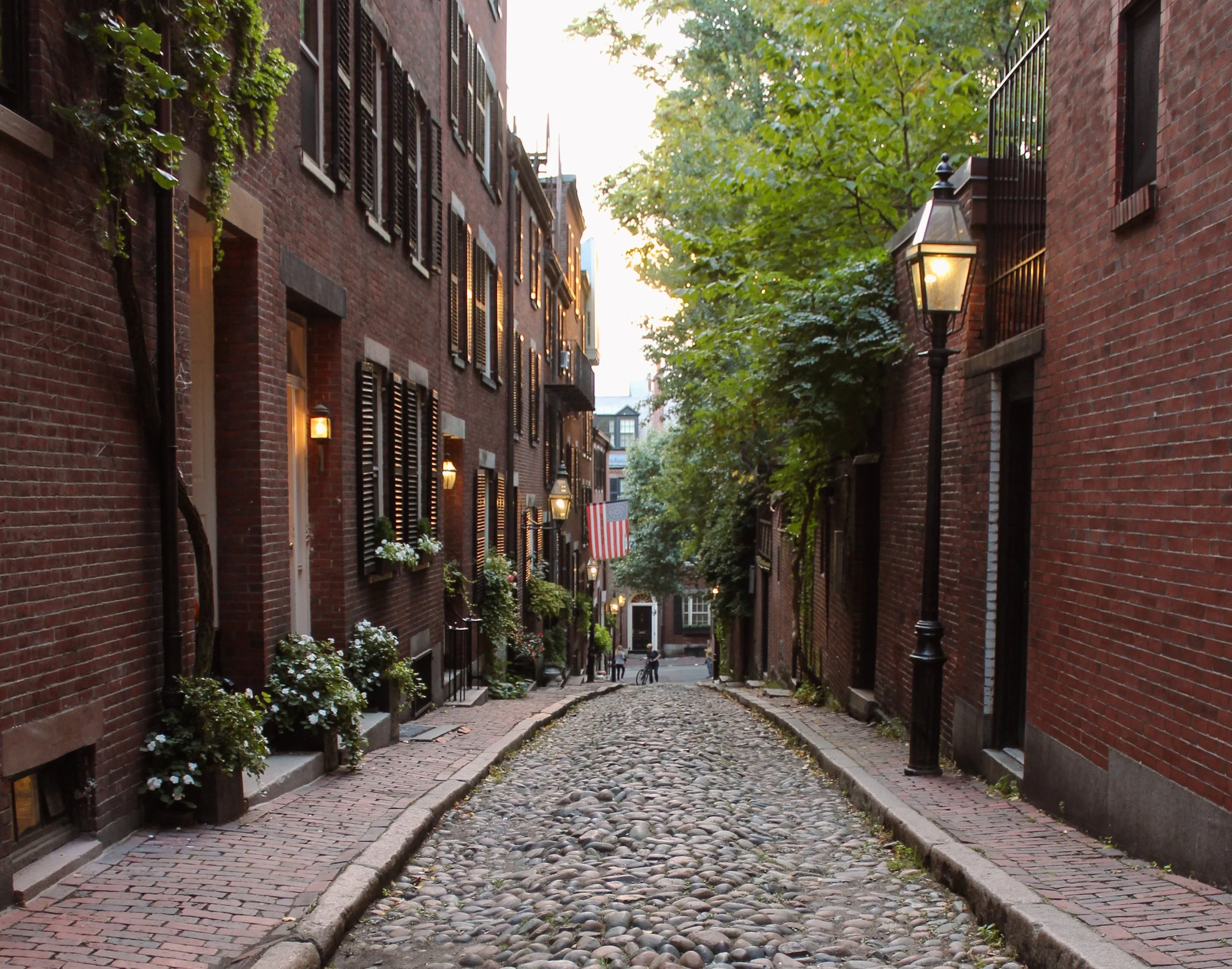
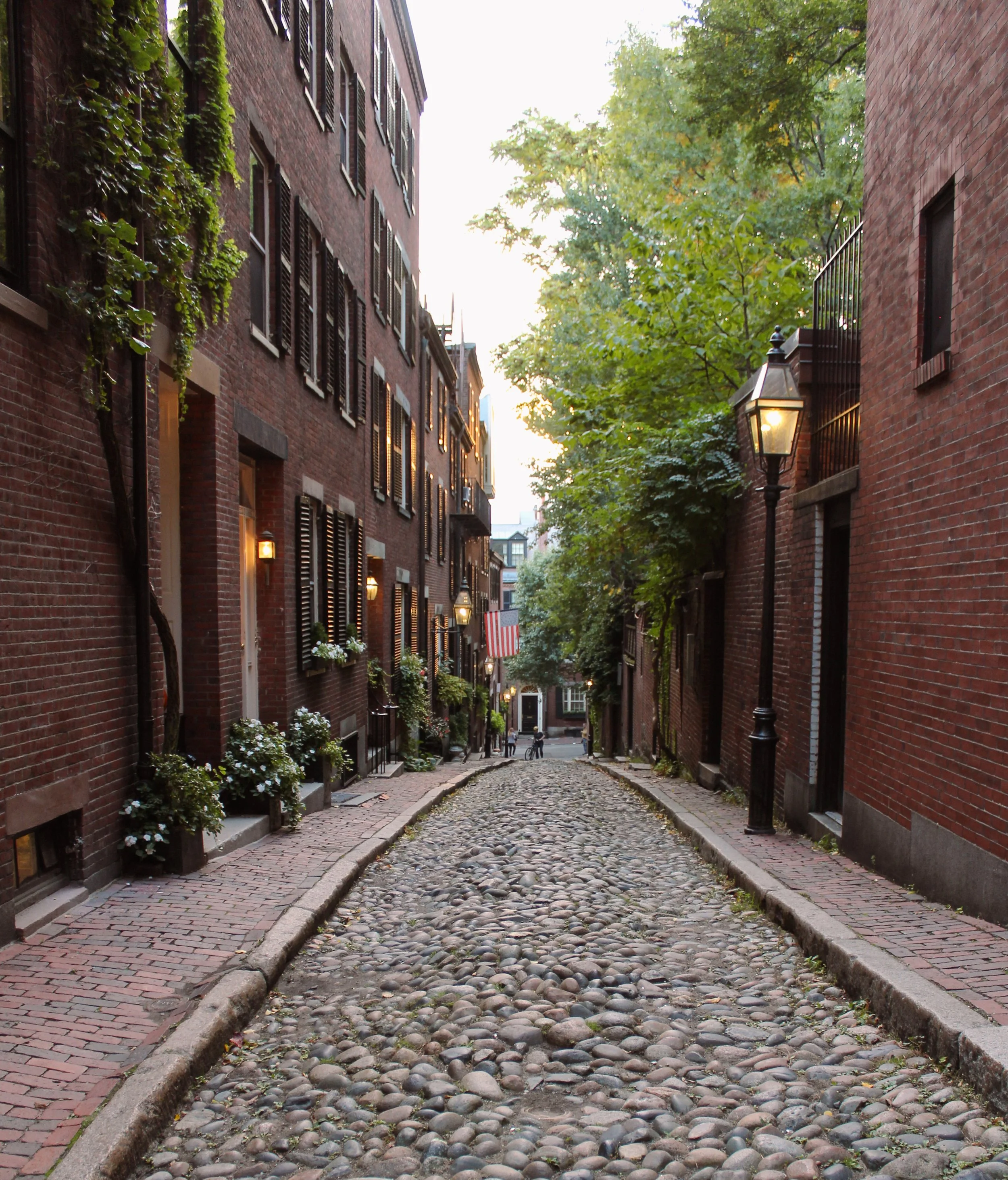
Acorn Street in Beacon Hill
QUICK HISTORY
While modern-day Boston was founded by the Puritans in 1630, historians and archaeologists have traced Native American tribes back to 2400 B.C. The hilly peninsula on the Massachusetts Bay is one of America’s oldest cities and the largest in New England. A major port throughout the colonial era, Boston played a significant role in the American Revolution, serving as the heart of resistance to British taxes. Many highlights of the Revolution occurred in Boston or nearby, such as the Boston Massacre, the Boston Tea Party, Paul Revere’s Ride, and more. Later, Boston became a hotspot for European immigrants, with thousands of people finding a new home in the coastal city, particularly those of Irish and Italian descent. These groups made a significant impact on Boston’s culture, which is still strong today in neighorhood’s like the North End and Southie. (source)
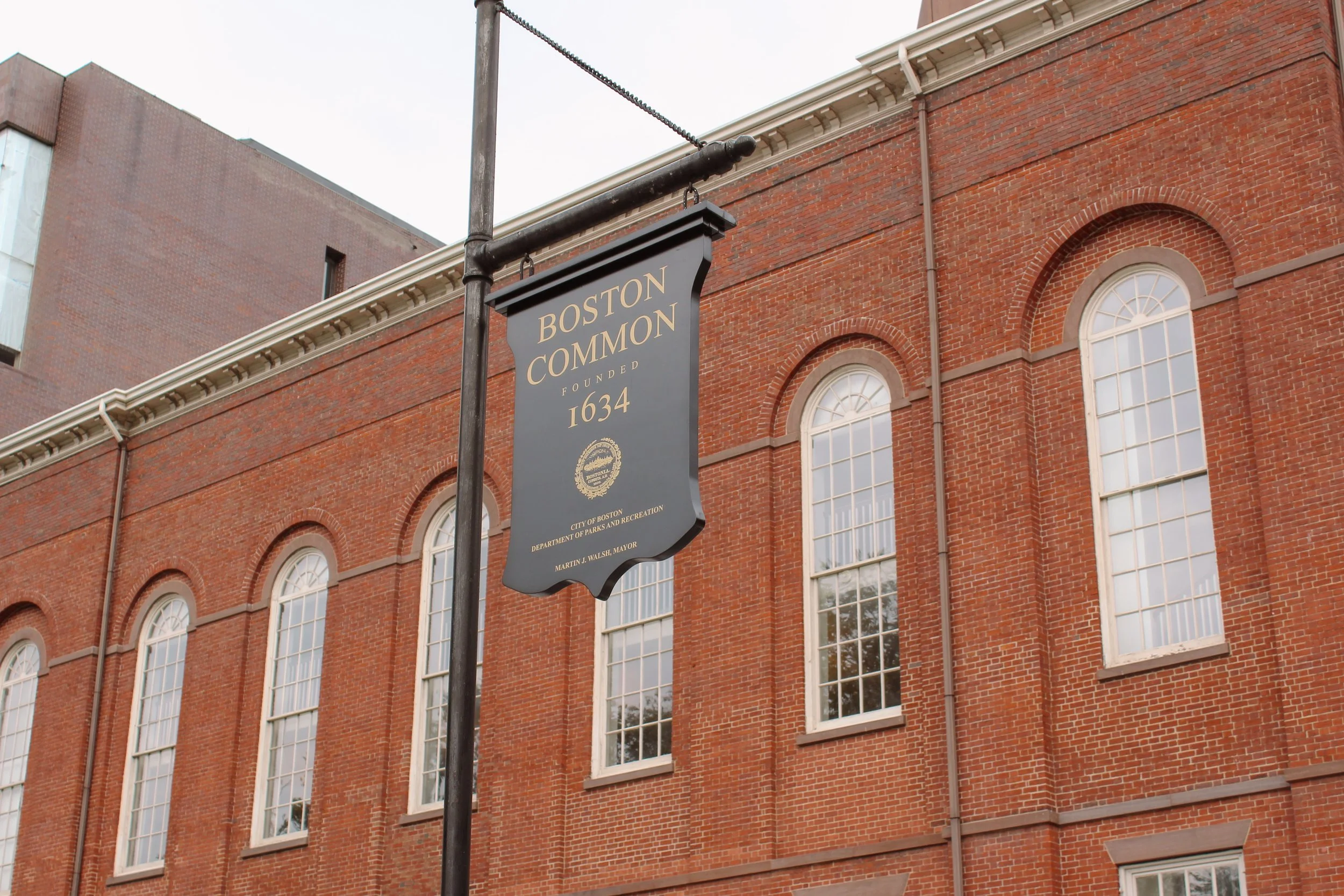
Boston Common, Founded 1634
BOSTON IN POP CULTURE
Over the years, Boston has made quite a name for itself with widely recognized cultural landmarks. From the Freedom Trail, telling the story of the American Revolution, to Fenway Park, the beloved home of the Red Sox, Boston is a hub for history, culture, art, education, and political change. Boston has played a large role in pop culture, from the distinctive Boston accent to its representation in film. Good Will Hunting, starring famous Bostonians Ben Affleck and Matt Damon alongside the late Robin Williams, showcases the city’s well-known higher education institutions. The Boondock Saints dives into the violent culture of the Irish mob, and similarly, The Departed showcases the grittier side of Southie in a crime thriller by Martin Scorsese, with an all-star cast that includes local Bostonians like Damon and Mark Wahlberg, as well as Martin Sheen and Leonardo DiCaprio. Then there’s the romantic comedy starring Jimmy Fallon and Drew Barrymore, Fever Pitch, which centers around a love for baseball and features iconic scenes at Fenway Park.
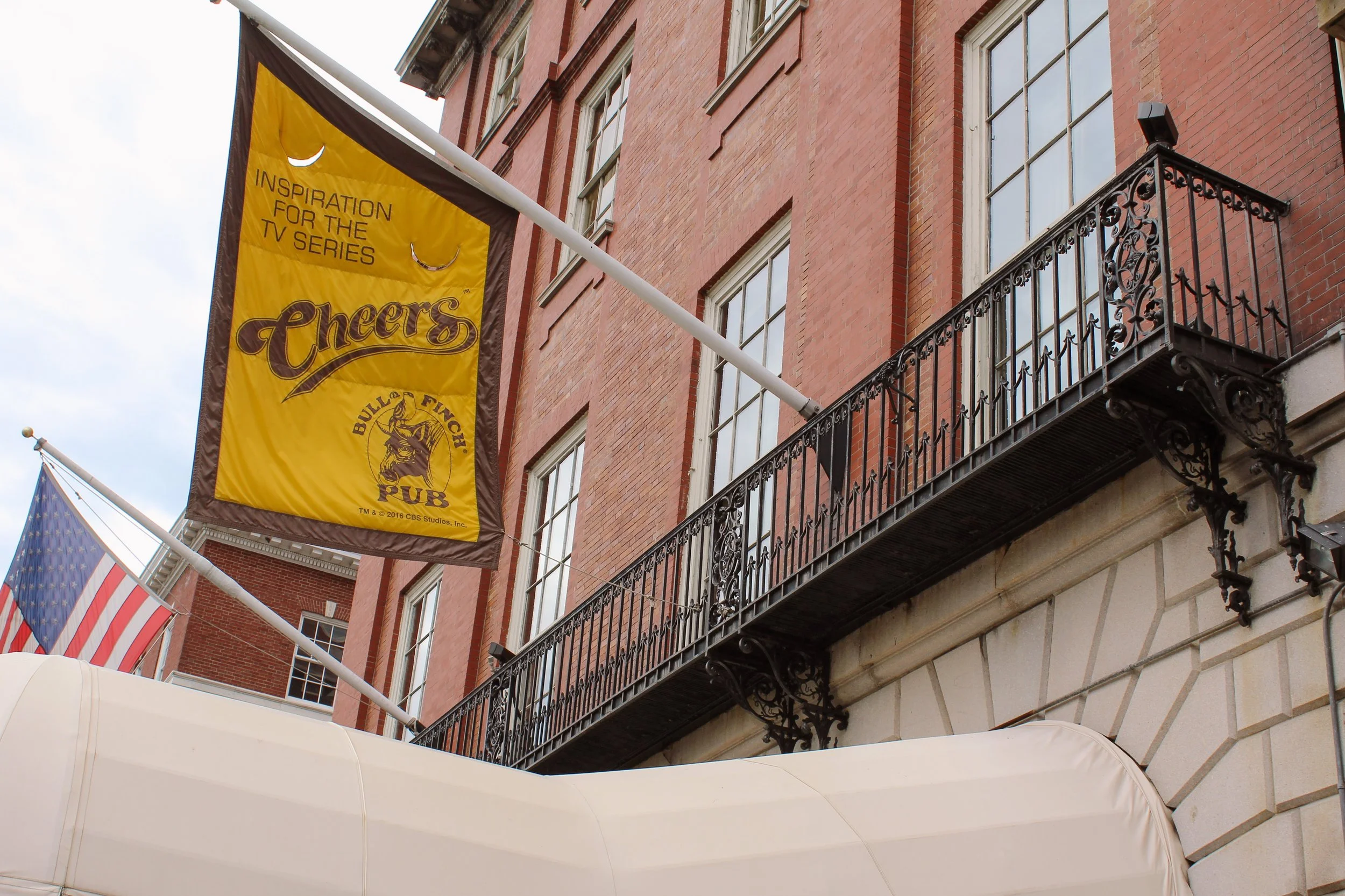
The Cheers Bar in Boston’s Back Bay
From lesser-known activities like whale watching to popular tourist attractions like duck boat tours, Boston has no shortage of things to offer visitors. The city itself is charming and feels like stepping back in time. The ghosts of the past can be felt in every cobblestone street and historic brick wall. While the people may sound brash, they’re actually quite lovely. And if Boston isn’t enough in itself, the city is within driving distance of many other destinations worth a visit, like Salem, the site of the 17th-century witch trials and setting of the beloved Halloween movie, Hocus Pocus. Portsmouth, New Hampshire, is another coastal city located an hour north of Boston with a walkable downtown. Coastal small towns like Cape Cod and Mystic are a quick drive from Boston as well, for something a little slower paced.
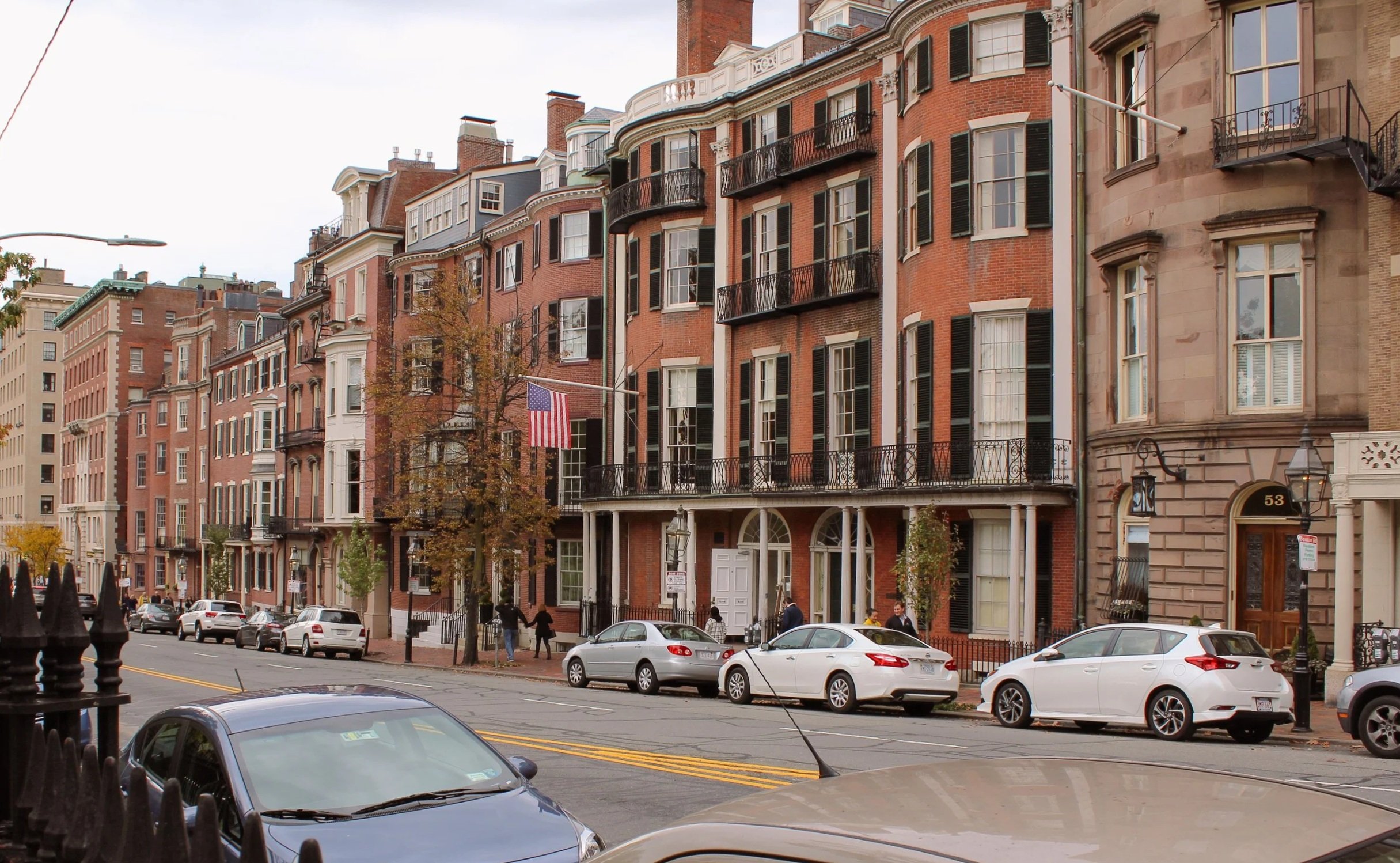
Homes Facing the Boston Common
WHERE TO STAY & GETTING AROUND
If you’ve never been to Boston, something unexpected is the hills. Yes, Boston is commonly described as a “hilly peninsula,” but the San Francisco-level hills in parts of the city can be surprising. Add the cobblestone and brick-paved sidewalks that get slick on rainy days, navigating the city on foot can be quite the feat. Comfortable walking shoes aren’t just a suggestion; they’re a must. With that aside, Boston is a very walkable city. Most of it can be explored on foot before using any sort of transportation. However, for longer distances, the city has a subway and bus system that is relatively easy to navigate at a low cost.
There are many great places to stay in Boston, but The Boxer, located in an old Flatiron Building dating to 1904, is perfectly positioned for easy access to the more tourist-focused neighborhoods. Located in Boston’s West End, sandwiched between the North End and the Beacon Hill/Back Bay area, the boutique hotel overlooks downtown Boston with an industrial chic aesthetic. The Boxer has a sophisticated, masculine design at the intersection of artsy and modern, with a welcoming environment. Rooms are spacious and comfortable with a luxurious feel.
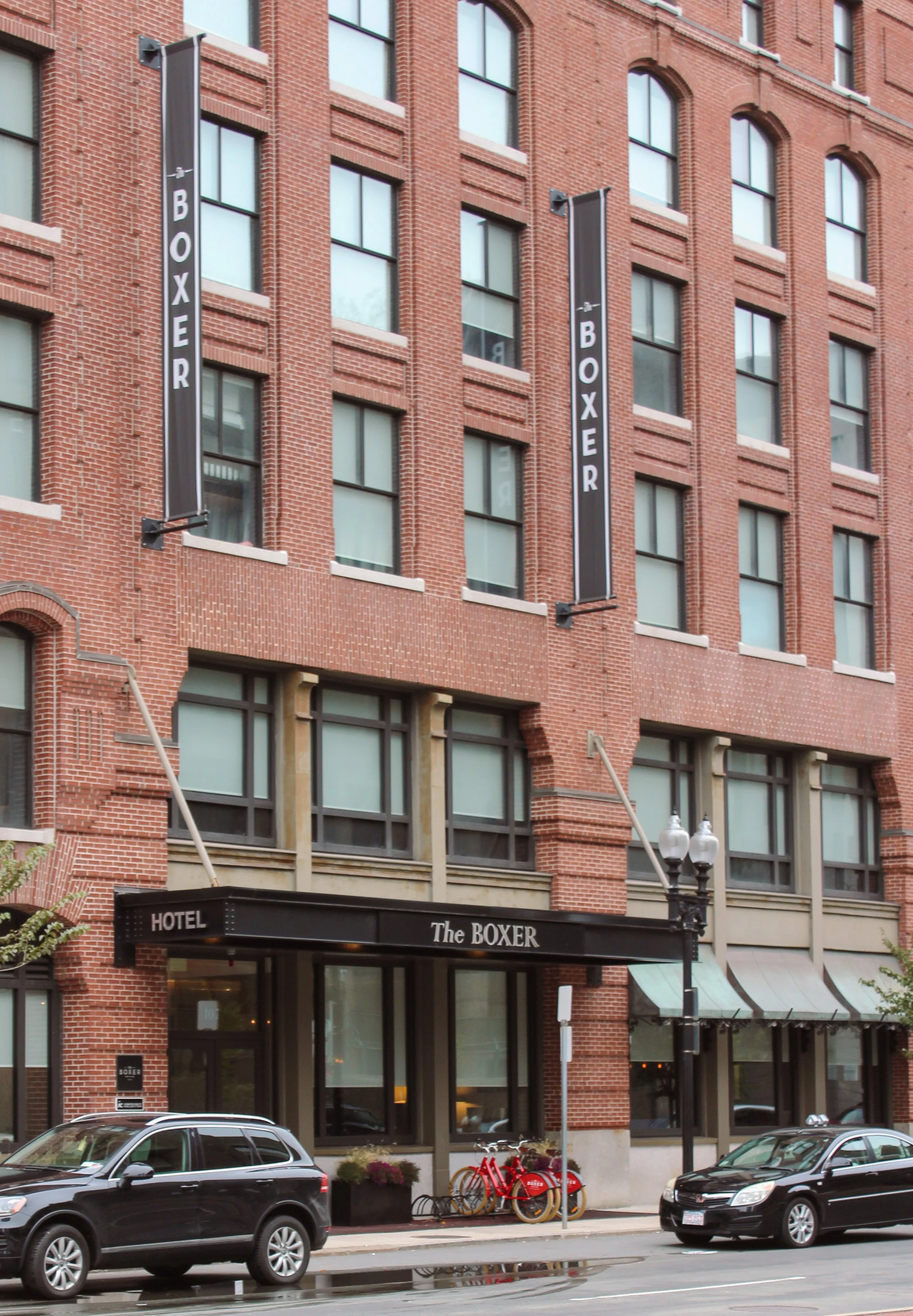
Entrance to The Boxer
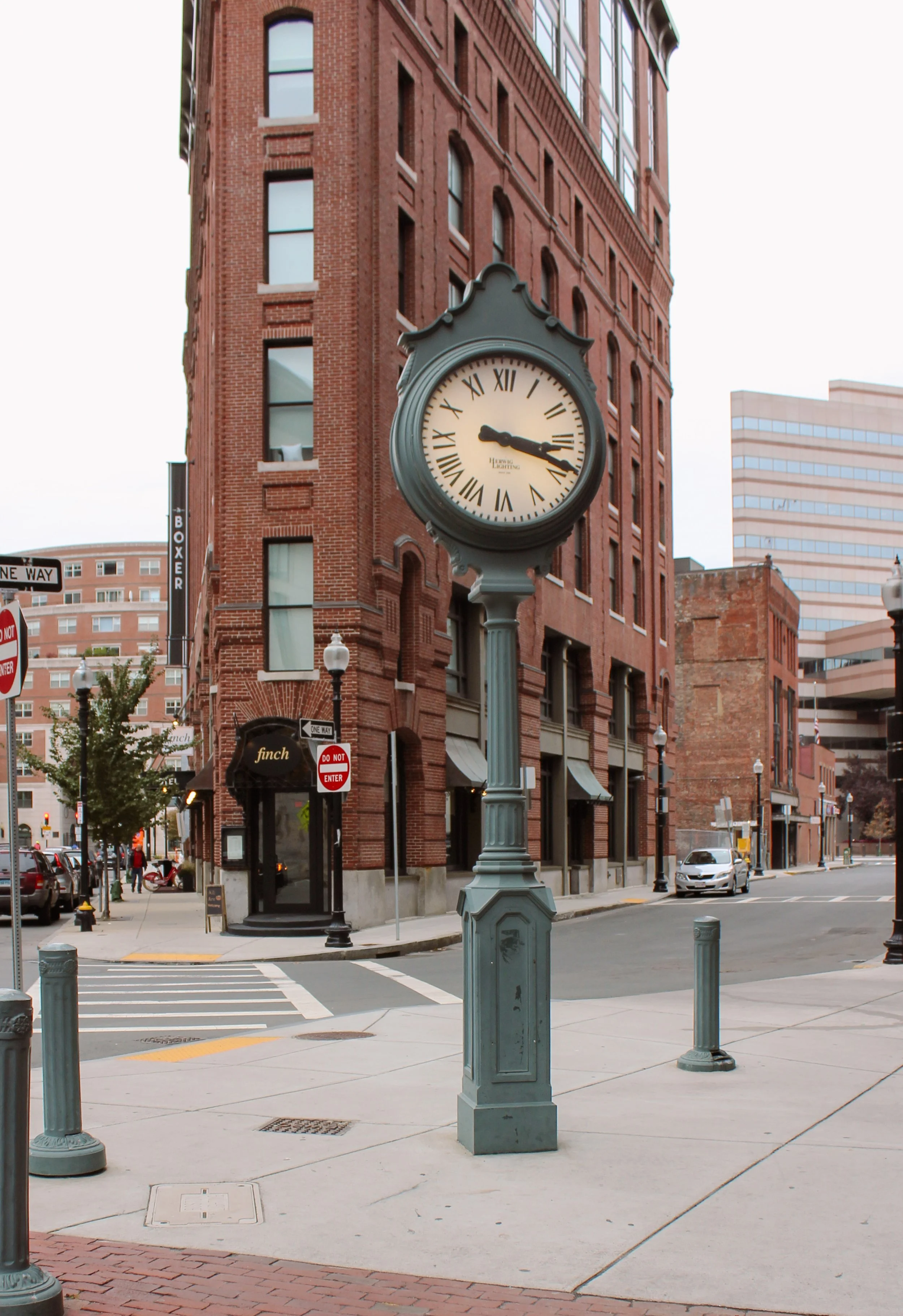
Vintage Clock Near The Boxer Flatiron Building
THINGS BOSTON IS KNOWN FOR
Historical Sites
Boston is a historical goldmine. It’s rare to find a corner of the city that doesn’t have historical significance. The Freedom Trail is a great way to hit many of those sites and avoid getting overwhelmed. The 2.5-mile route consists of sixteen sites, including the Massachusetts State House, King’s Chapel, Old Corner Book Store, Old South Meeting House, Paul Revere House, the Site of the Boston Massacre, and more. The Granary Burial Ground dates back centuries and is the resting place of individuals like Paul Revere and Samuel Adams. Visit the home of Paul Revere for a taste of what life was like during the Revolutionary era. Walk through Faneuil Marketplace, home to Faneuil Hall, where a number of historical moments and speeches have taken place. The Mapparium is one of the more distinctive experiences in Boston, featuring a three-story stained-glass globe displaying a 1935 map of the world. Pick your era, historical moment, social movement, etc., and there will inevitably be a site in Boston dedicated to exactly that.
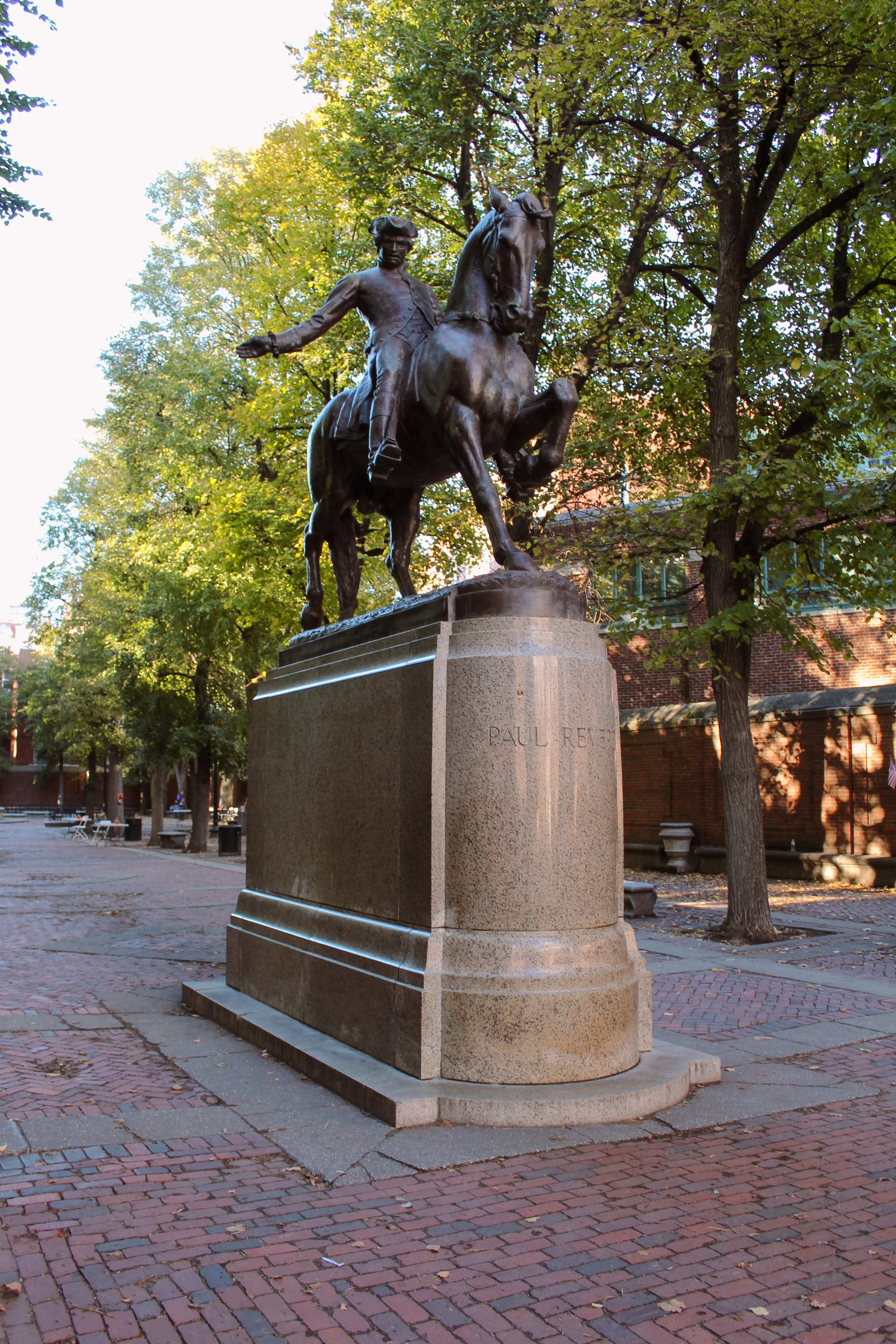
Paul Revere Statue in the North End
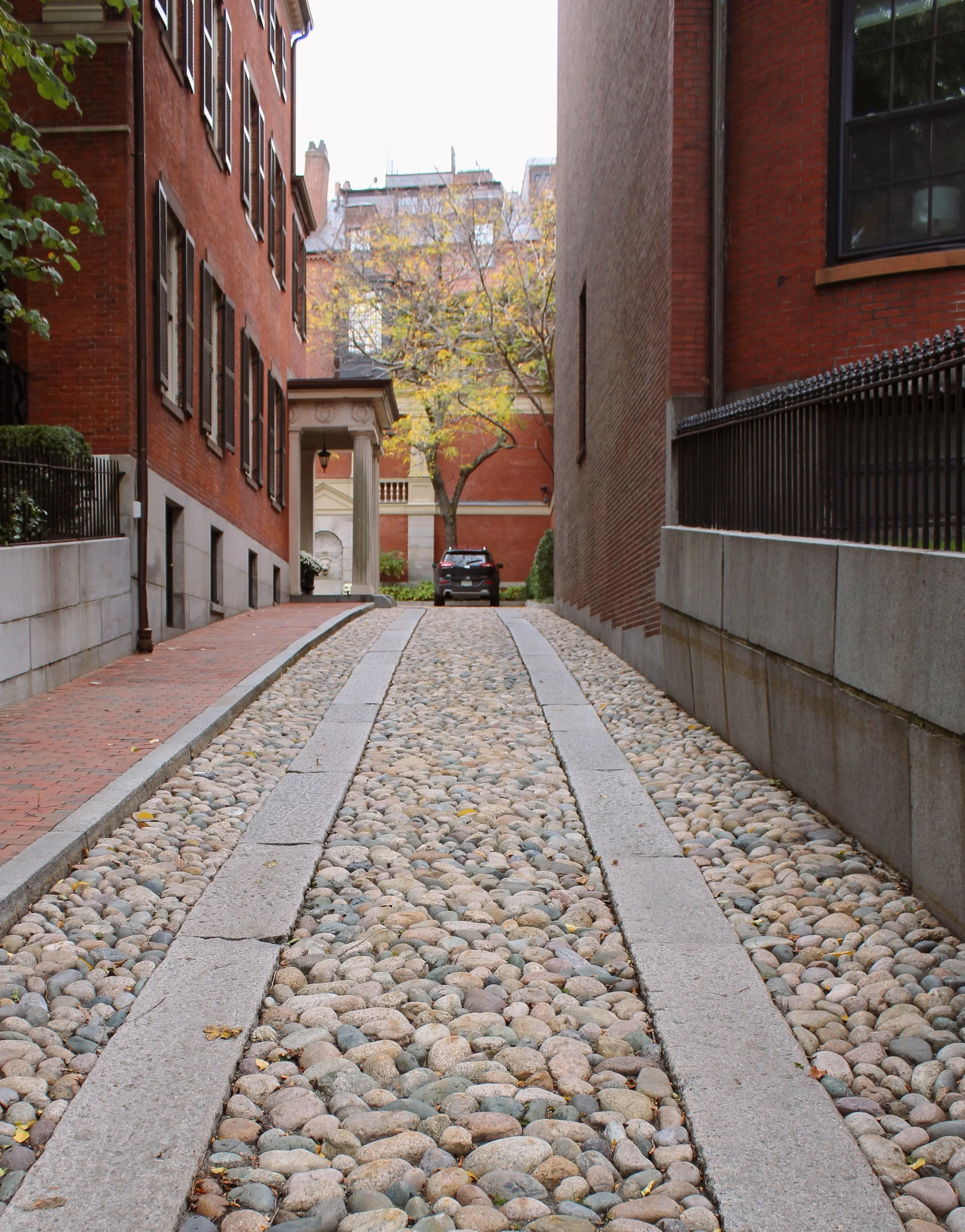
Cobblestone Driveway
Nature In the Center of the City
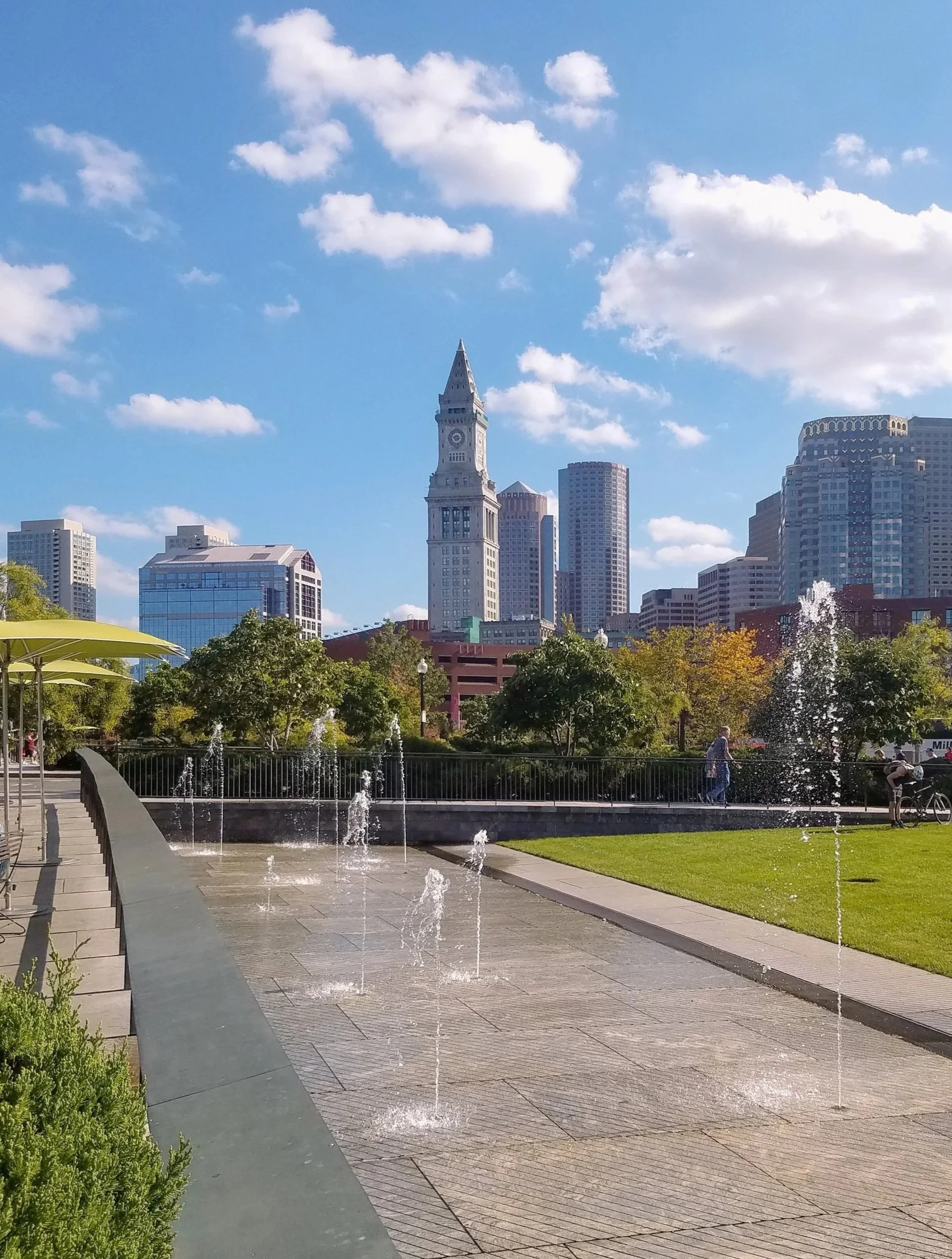
From the Boston Common to the Esplanade, Boston has no shortage of parks and outdoor activities. As America’s oldest park, the Boston Common was founded in 1634. Just to start, it’s been home to British soldiers during the Revolutionary War, the epicenter of independence celebrations, a site of anti-slavery meetings during the Civil War, and beyond. Today, the 50-acre park is a place for gathering and peaceful respite for locals and visitors alike. It has playgrounds for kids, a frog pond, ball fields, and plenty of greenery. The Esplanade was developed in 2001 along the Charles River, between downtown Boston and Cambridge. It’s become one of the city’s favorite parks, with 17 miles of landscaped paths, an outdoor concert venue, playgrounds, recreational activities such as kayaking, waterfront gardens, historical monuments, and more.
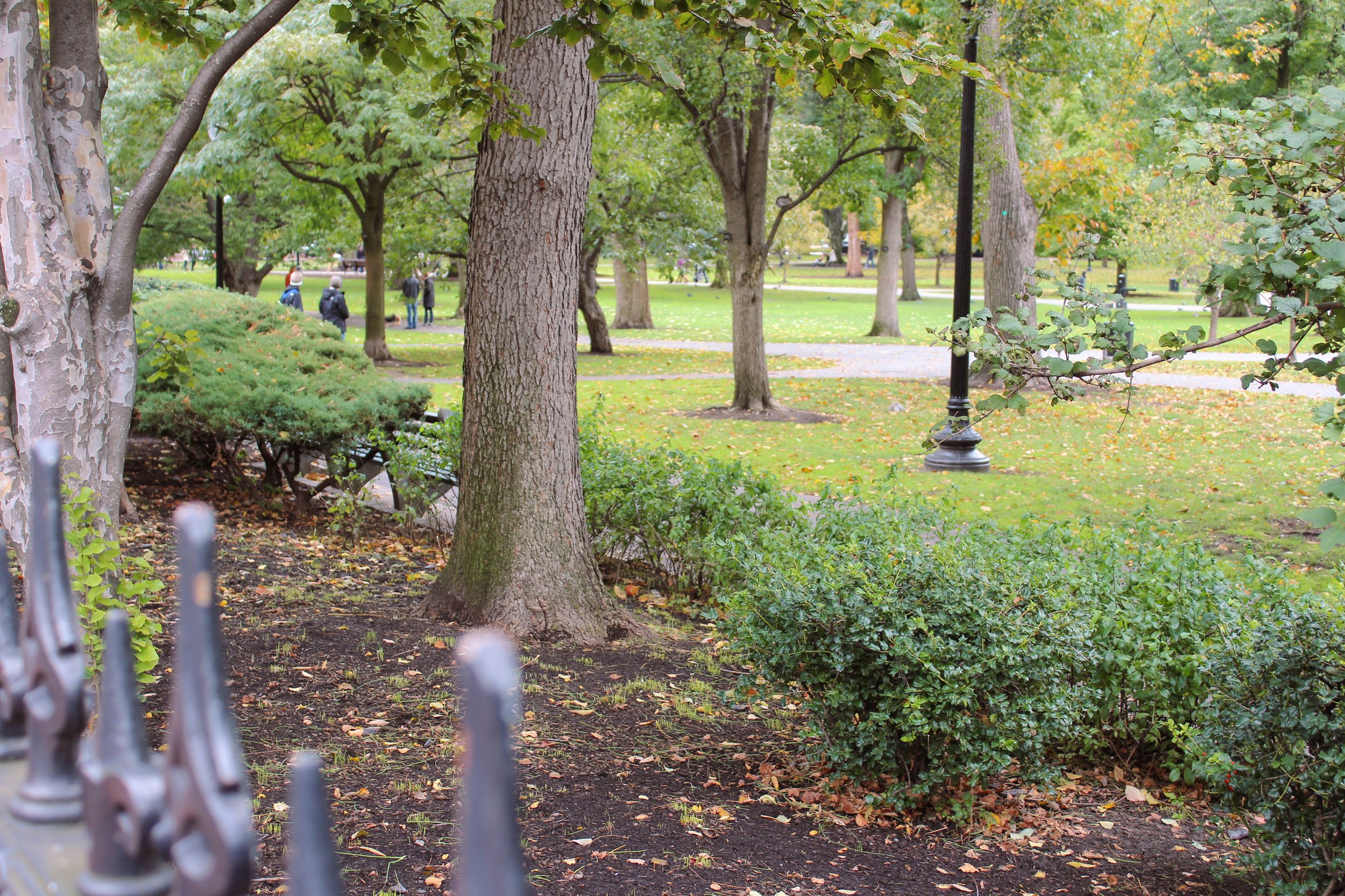
Looking into the Boston Common
With Boston’s coastal location, there are plenty of opportunities to get out on the water. Go sightseeing on a sailboat during the warmer months, or go whale watching for a chance to spot a Humpback! Peak season for whale watching is May through November, with tours that take a few hours, so plan for a half-day in your itinerary. Head to Castle Island in Southie to check out underground caves and woodlands, or look into what events might be happening on the Rose Kennedy Greenway.
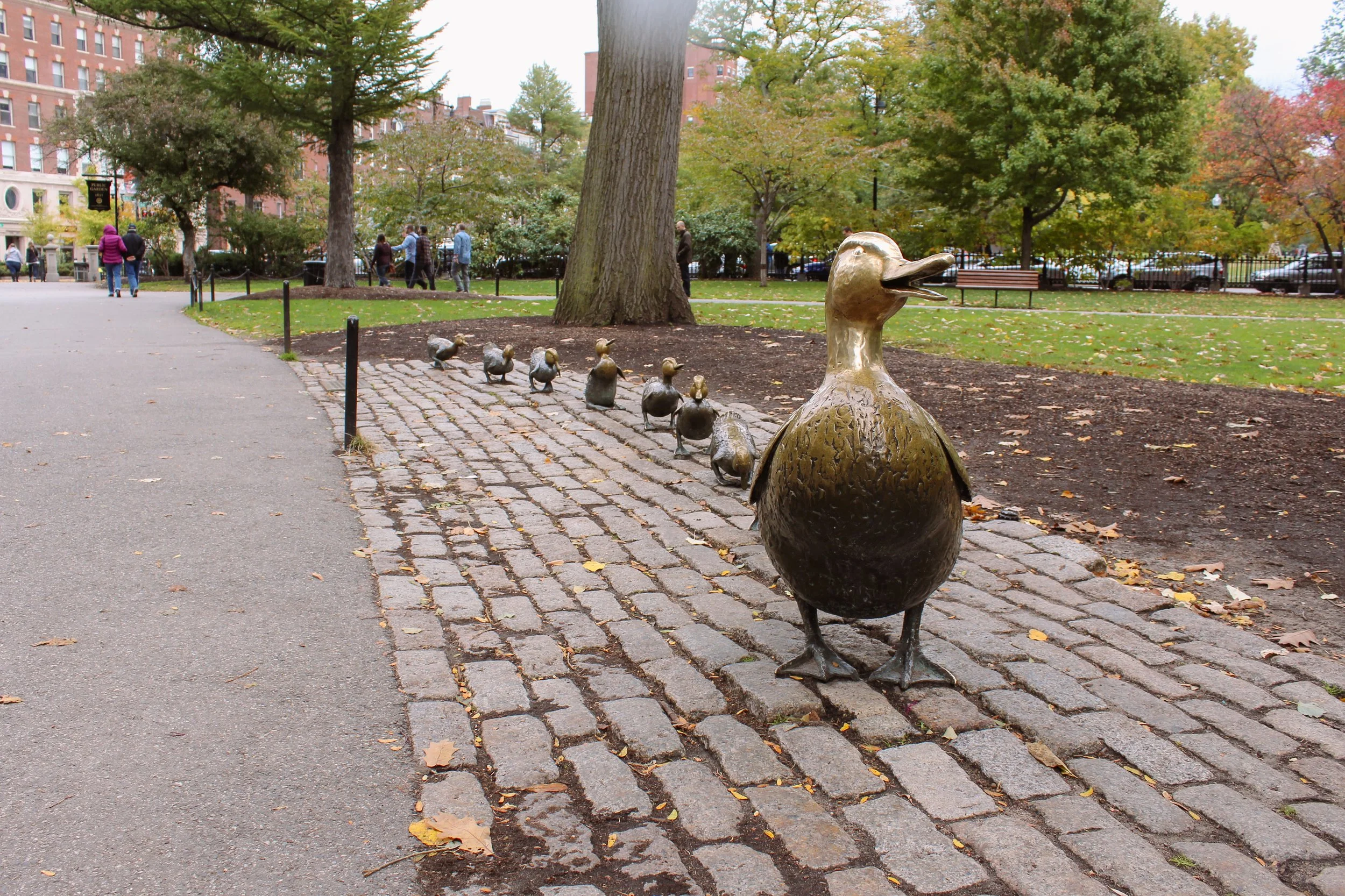
Make Way for Ducklings Sculpture by Nancy Schön in the Boston Common
Boston’s “Little Italy”
The oldest residential neighborhood in Boston, the North End is known as the city’s “Little Italy”. Originally home to Boston’s higher class and patriots like Paul Revere, the neighborhood became a hub for immigrants in the 19th century, particularly those from Genoa and Sicily. Today, it’s the heart of Italian American culture in Boston with over one-hundred Italian restaurants and a full calendar of celebratory festivals. At nearly four-hundred years old, you can quite literally see and feel the centuries of history that have played out in the North End. The neighborhood has many sites along the Freedom Trail, such as Paul Revere’s home and the Old North Church, as well as historic sites that tell the stories of immigrants seeking better futures for themselves and their families. You could easily spend several days walking the streets and seeking out historic corners of the North End, including iconic eats like cannoli from Mike’s Pastry and Sicilian-style pizza from Galleria Umberto.
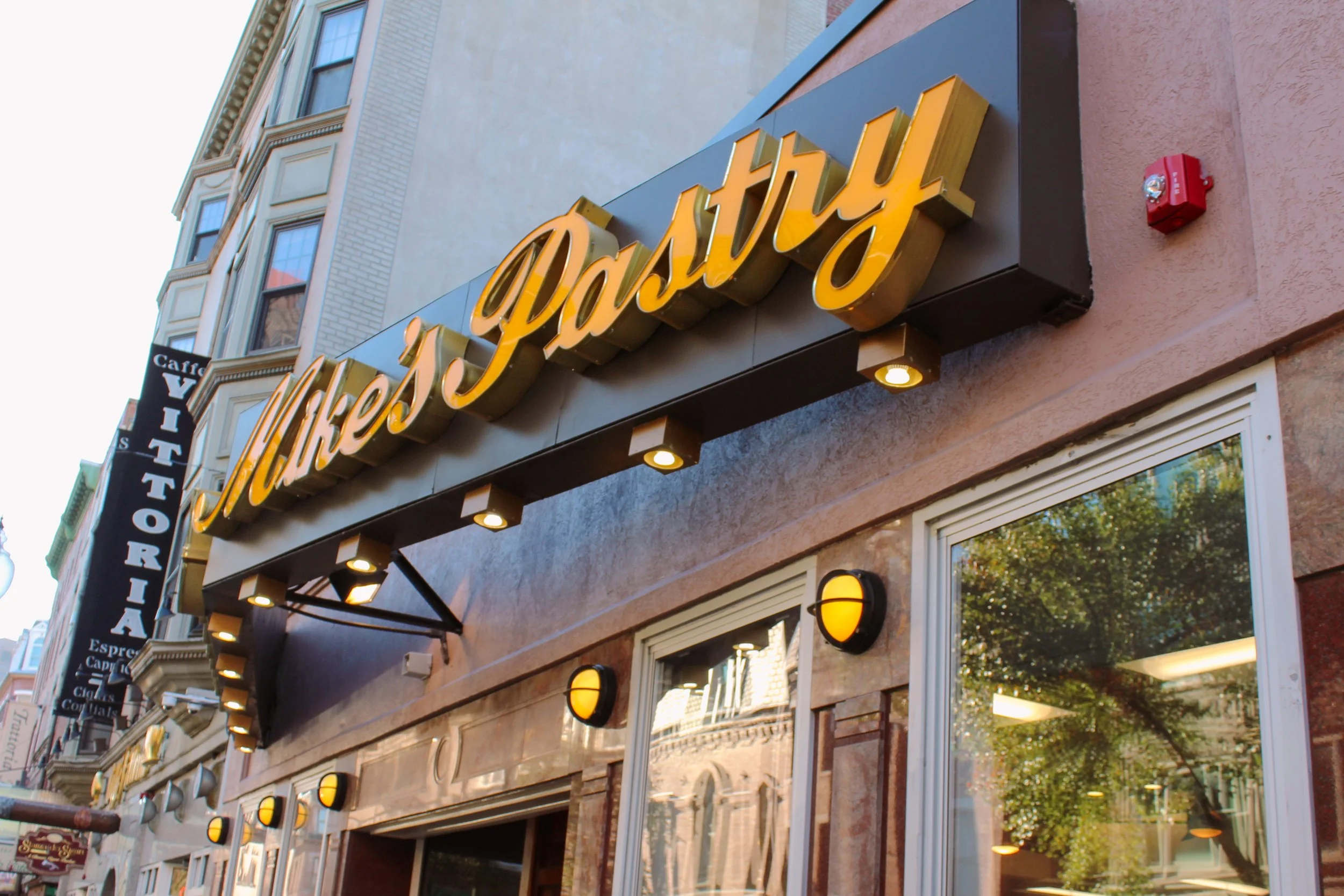
Mike’s Pastry in the North End
Southie: The Heart of Boston’s Irish Community
One of the most notable Irish communities in the United States, Southie is the center of Boston’s Irish American culture. What was originally farmland, the Southie region was where George Washington drove British troops out of the city during the Revolutionary War. In the 19th century, it became a manufacturing hub with various factories that drew Irish immigrants looking for a better life. Those immigrants eventually created one of the most densely populated Irish neighborhoods in the country. While Southie has long had a reputation for its grittier representation of Boston, it’s really a lively, welcoming community. Southie is known for its annual St. Patrick’s Day Parade, L Street Tavern (as seen in Good Will Hunting), an abundance of brunch spots, a vibrant nightlife, and more.
This is just a taste of what Boston has to offer. Other popular neighborhoods like the Back Bay, Beacon Hill, Charlestown, Fenway, and Jamaica Plain have plenty to offer, each with its own unique personality. And let’s not forget Cambridge, which is a quick trip over the Charles River. An epicenter of higher education with MIT and Harvard calling it home, Cambridge has its own history and lively downtown square (Harvard Square). Whether you plan to stay in the city center or venture out, Boston is one of those cities that leave a mark, so you always want to return.
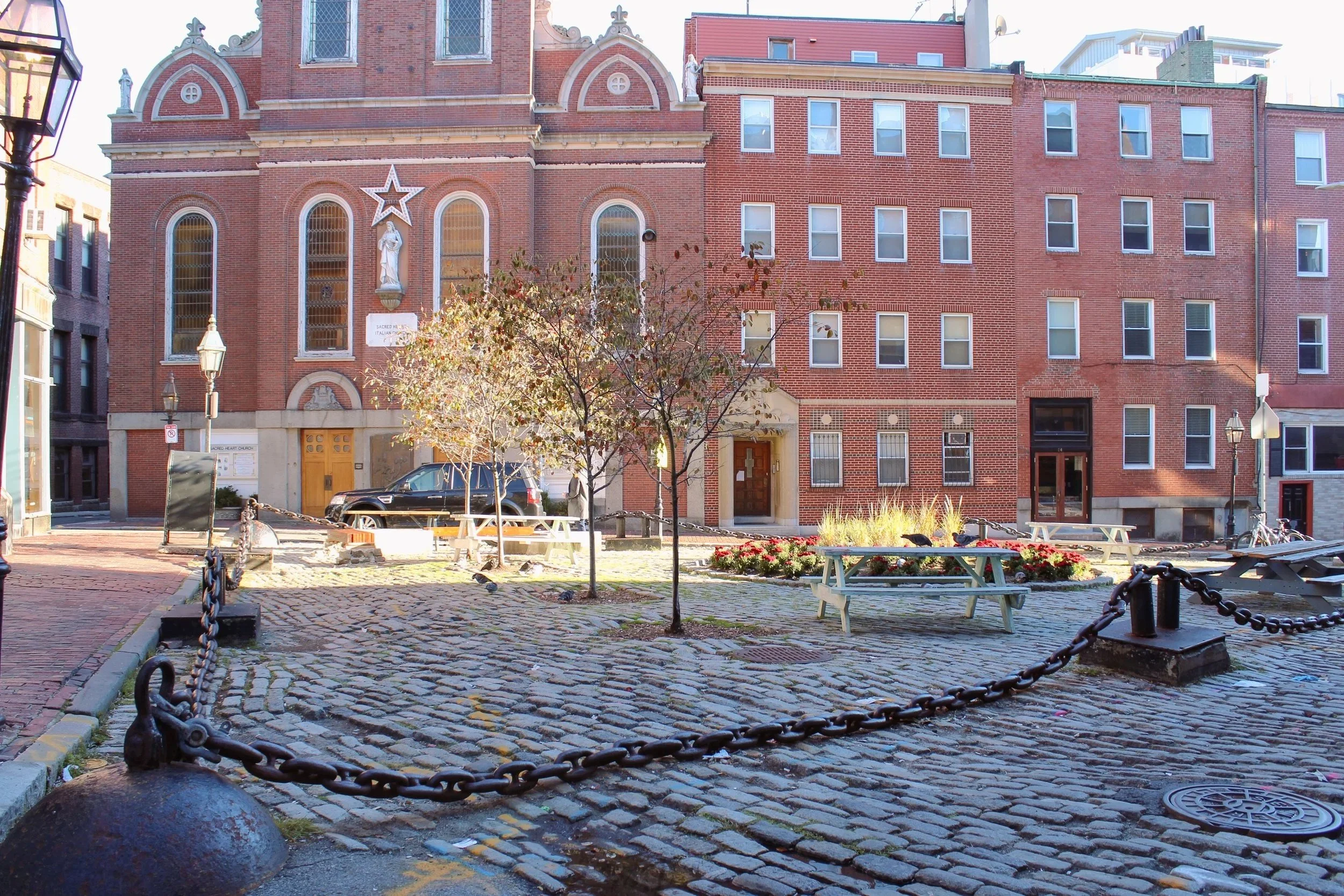
Sacred Heart Catholic Church in the North End